
Unified enterprise operations app
A phone and web dashboard that lets site managers read sensor data, see camera alerts and fire automation flows from wherever they stand — one login on both.

Web platforms, cross-platform mobile apps and the backends underneath them — designed around the data path, built for concurrency, and hosted wherever the numbers actually make sense.
The problem
Most apps are a stock front end bolted onto a slow back end. The screen lags, data drifts out of sync between devices, and the monthly cloud bill grows faster than the user base. When the app also has to talk to hardware, the usual answer is a round trip through someone else’s cloud just to switch on a light in the next room.
What we do about it
We build full-stack systems where the data path is the design. Apps sit on back ends built for load and wired straight into your own servers, so a command reaches the hardware over your network instead of crossing two continents first. The result loads at once, keeps working on site, and carries no cloud bill that grows without limit.

How we work
What you get
Clean back-end code and tuned queries keep the screen quick under real load.
The app talks straight to your sensors, cameras and flows — on site, with no cloud round trip.
Running the parts in containers on your own kit removes the per-seat, per-call cloud pricing that quietly adds up.
Equipment & stack



In the field
A phone and web dashboard that lets site managers read sensor data, see camera alerts and fire automation flows from wherever they stand — one login on both.
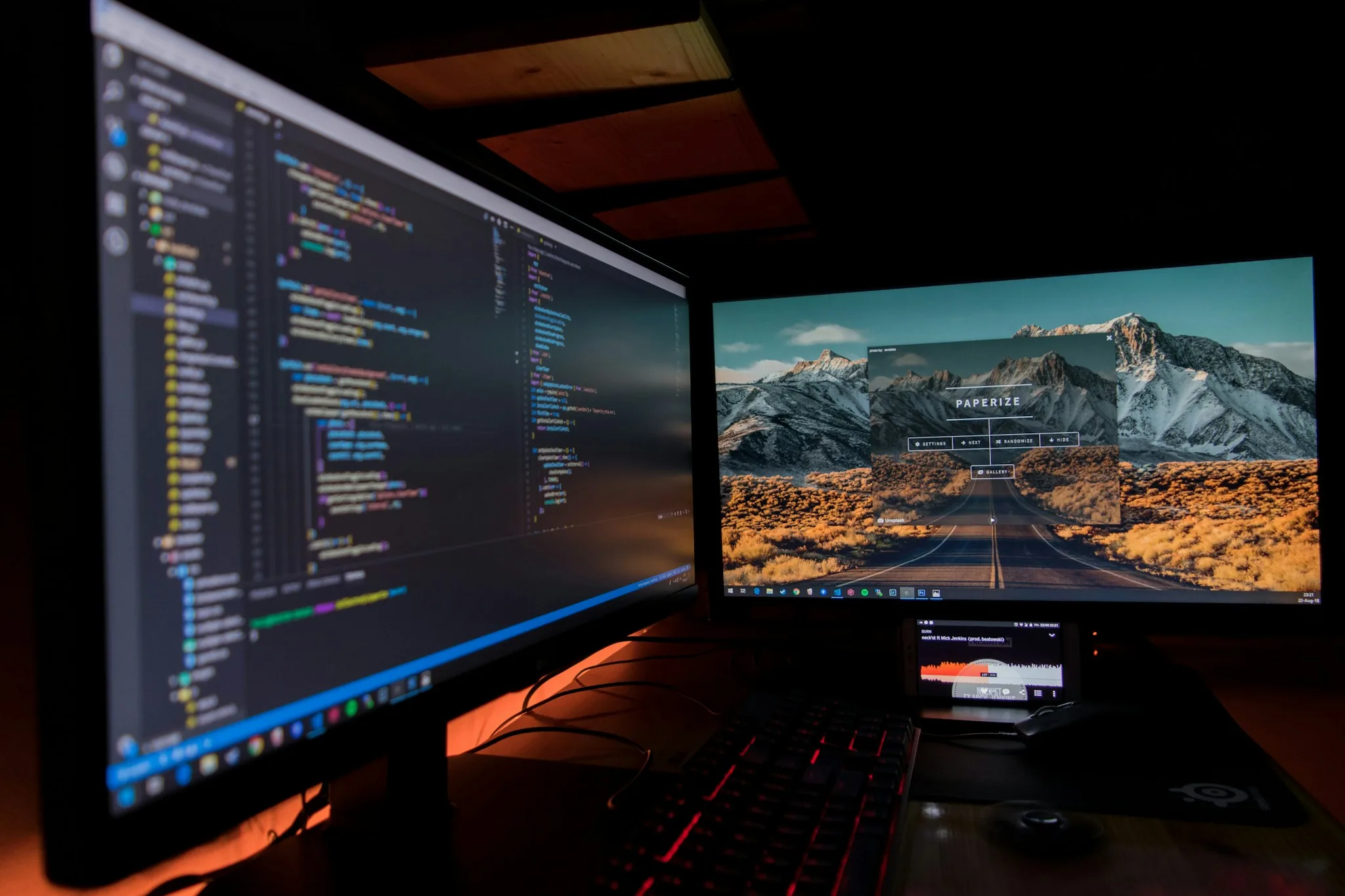
A full-stack system that keeps state in sync live and handles a high volume of bookings with no database locking or lag — the part that usually breaks on the first busy day.
Questions we get asked
The app is the surface. What makes it worth having is the automation layer and the hardware underneath it.
Next step
Send the constraint you are actually stuck on — a floor plan, a network that keeps dropping, a process nobody wants to do by hand. An engineer reads it and replies.