
Automated customer pipeline
A web lead creates the ERP record, pings the right sales channel, and drafts a reply through an AI agent — before anyone has opened their inbox.
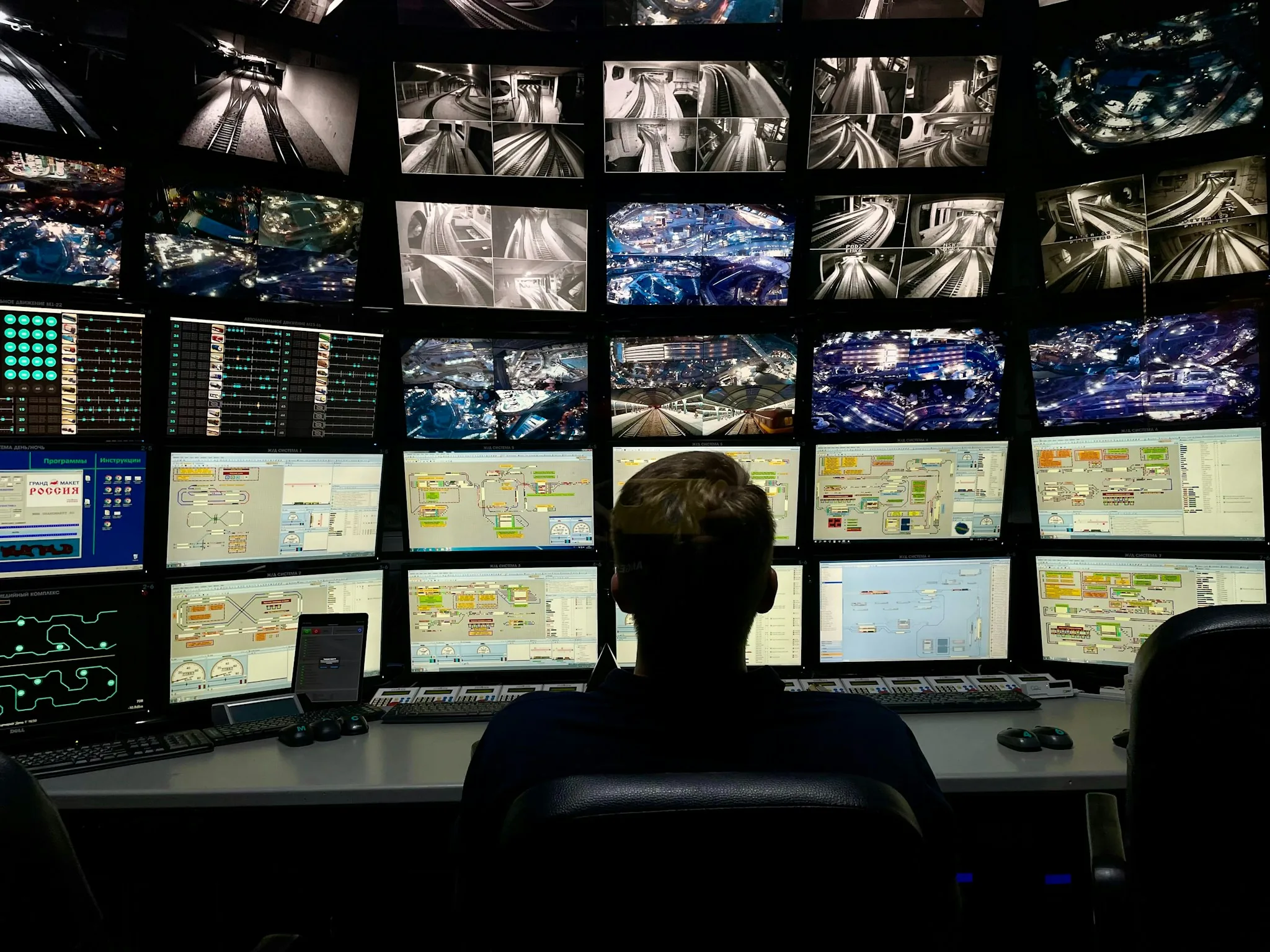
Event-driven orchestration that connects your software, your hardware and your AI tools into one system — so data moves itself and your team stops being the integration layer.
The problem
Businesses lose thousands of hours a year to the same manual tasks and re-typing. CRM, ERP and chat each hold part of the truth and none of them talk, so staff copy data between them by hand. Every copy is a chance to make a mistake, every handoff adds delay, and the person doing it is the last person you want doing it.
What we do about it
We replace that manual layer with event-driven automation. Custom pipelines link your software, your hardware and AI models into one workspace: a trigger fires, data moves, the work happens. Your team stops ferrying records between systems and goes back to the work only people can do.
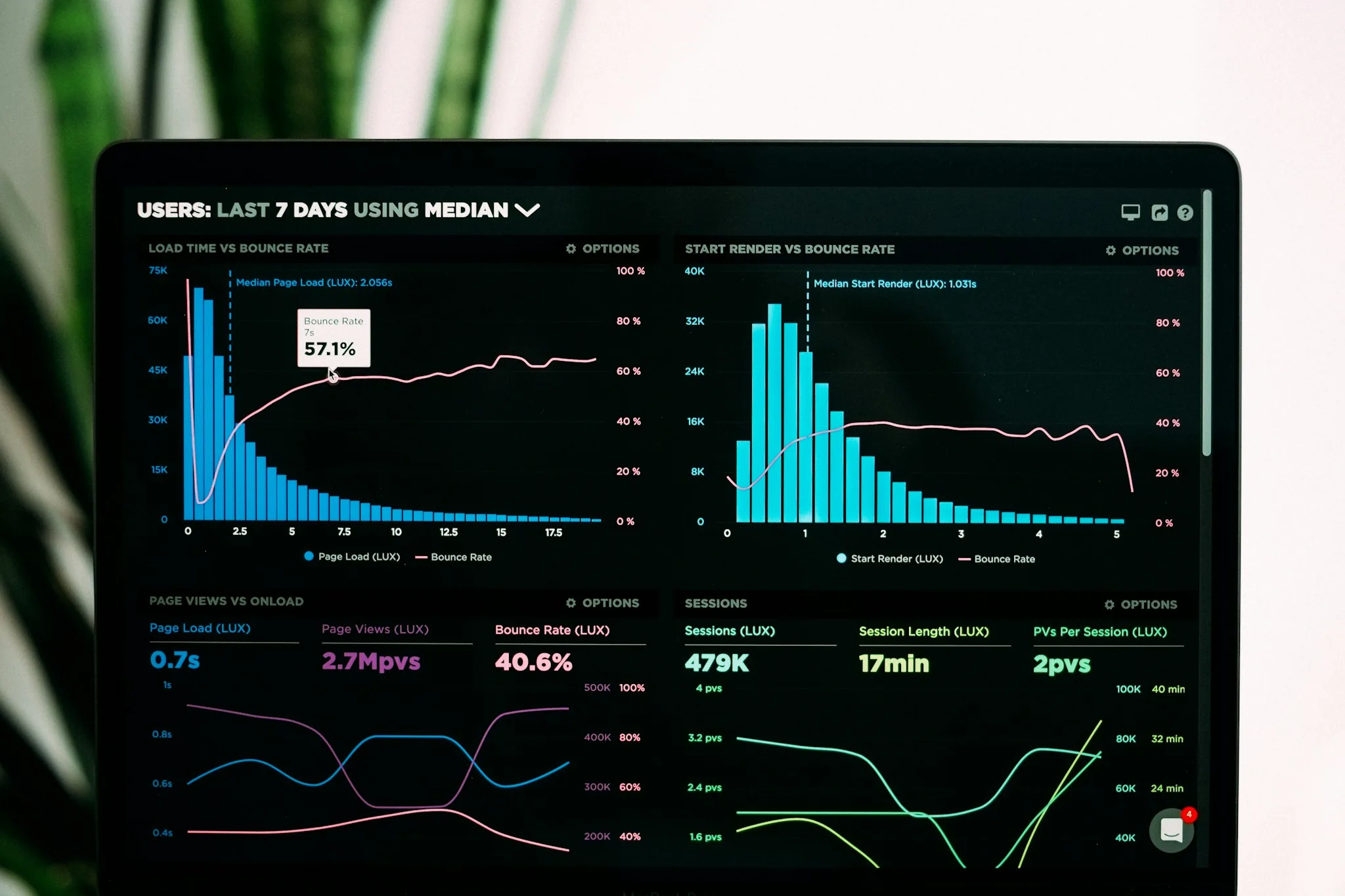
How we work
What you get
The same admin stops eating staff time — and unlike a new process, it does not rot the moment attention moves on.
Data is checked once, at the door, and every system after it gets the same checked record.
Leads, invoices and faults are acted on the moment they land, including out of hours.
Equipment & stack



In the field
A web lead creates the ERP record, pings the right sales channel, and drafts a reply through an AI agent — before anyone has opened their inbox.
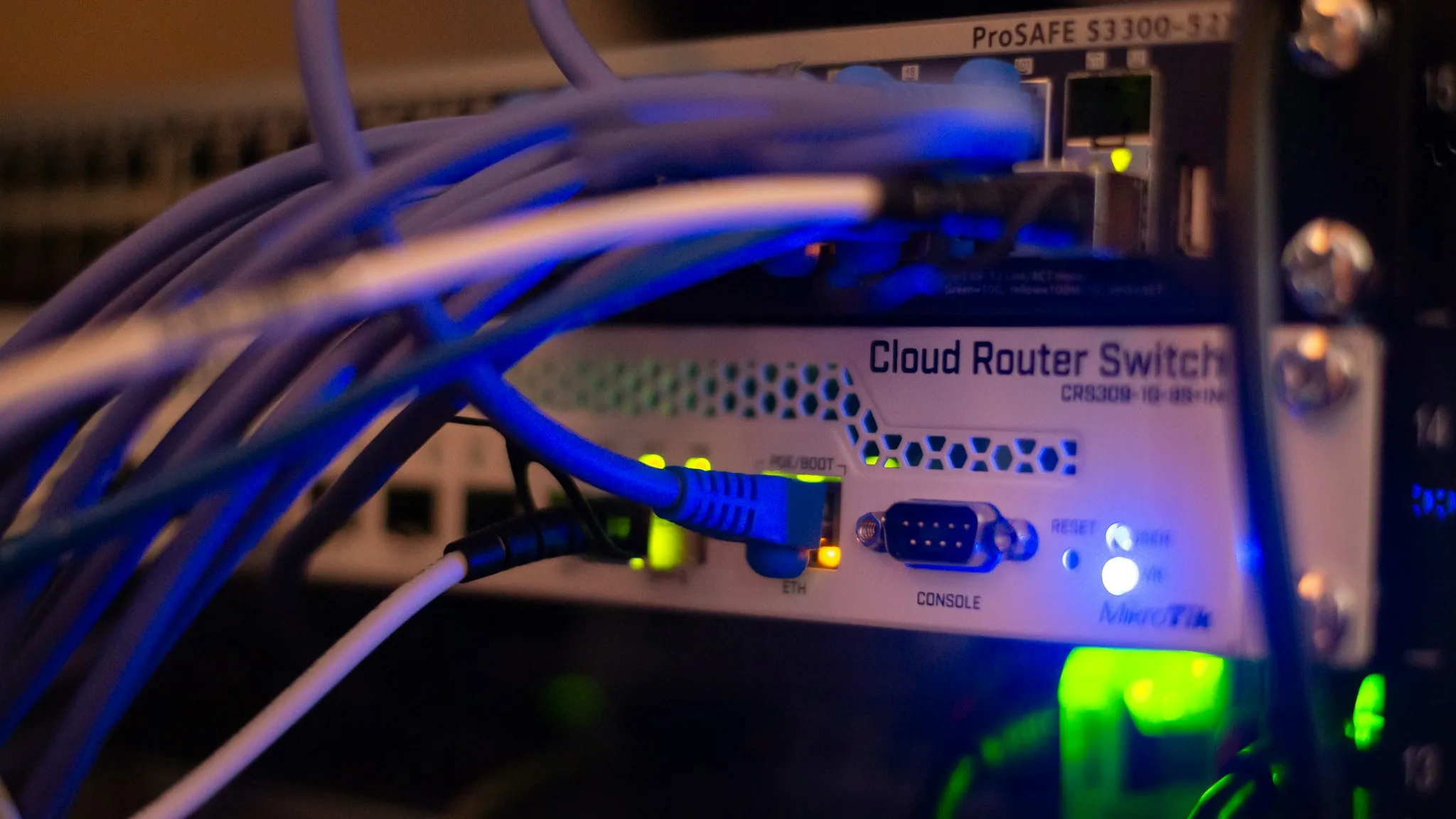
A network alert pages the on-call engineer and opens a ticket on its own, with the readings already attached.
Questions we get asked
Automation is where the other services stop being separate. Camera detections, sensor readings and phone calls all become triggers here.
Next step
Send the constraint you are actually stuck on — a floor plan, a network that keeps dropping, a process nobody wants to do by hand. An engineer reads it and replies.