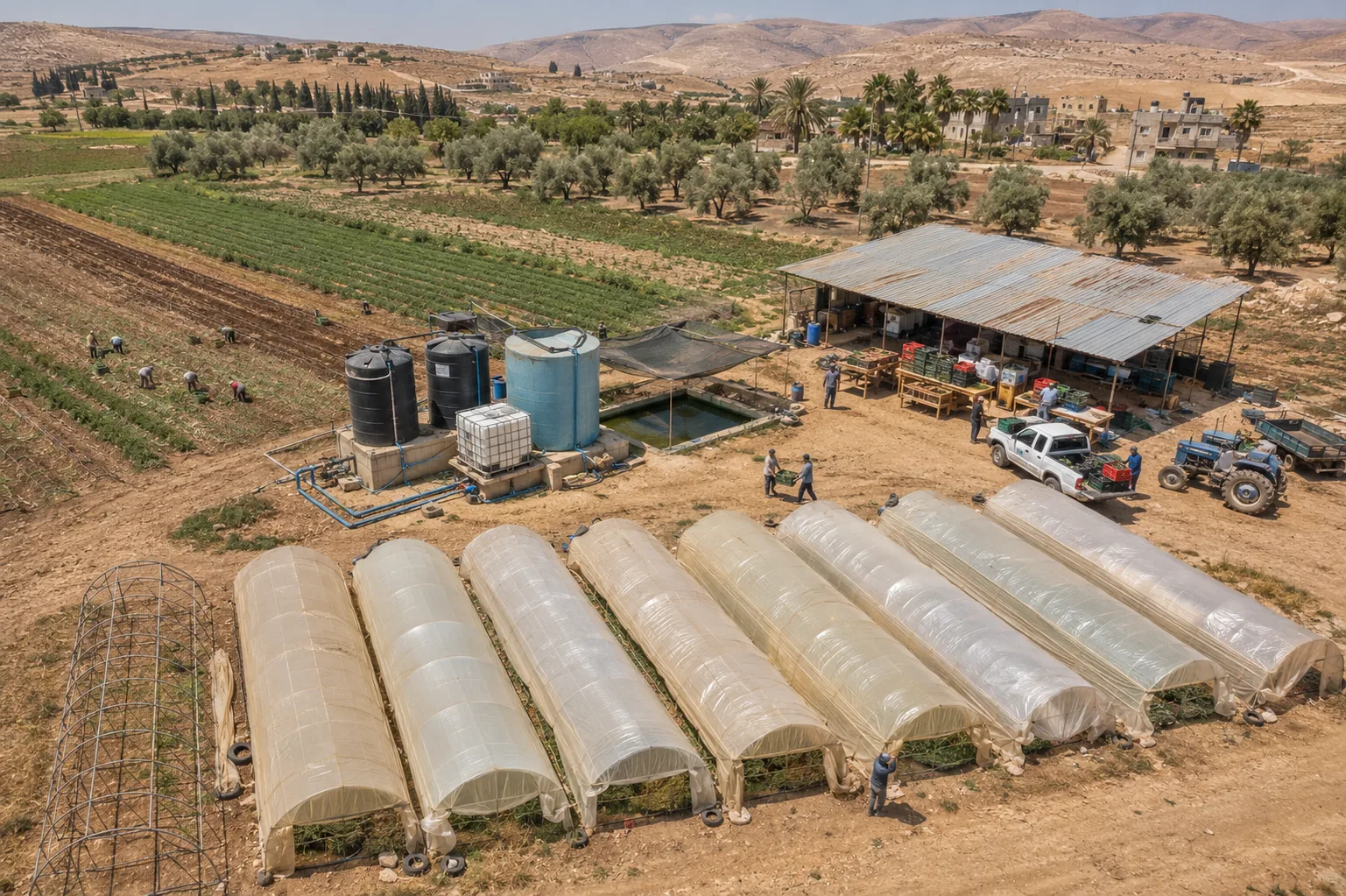
Precision irrigation
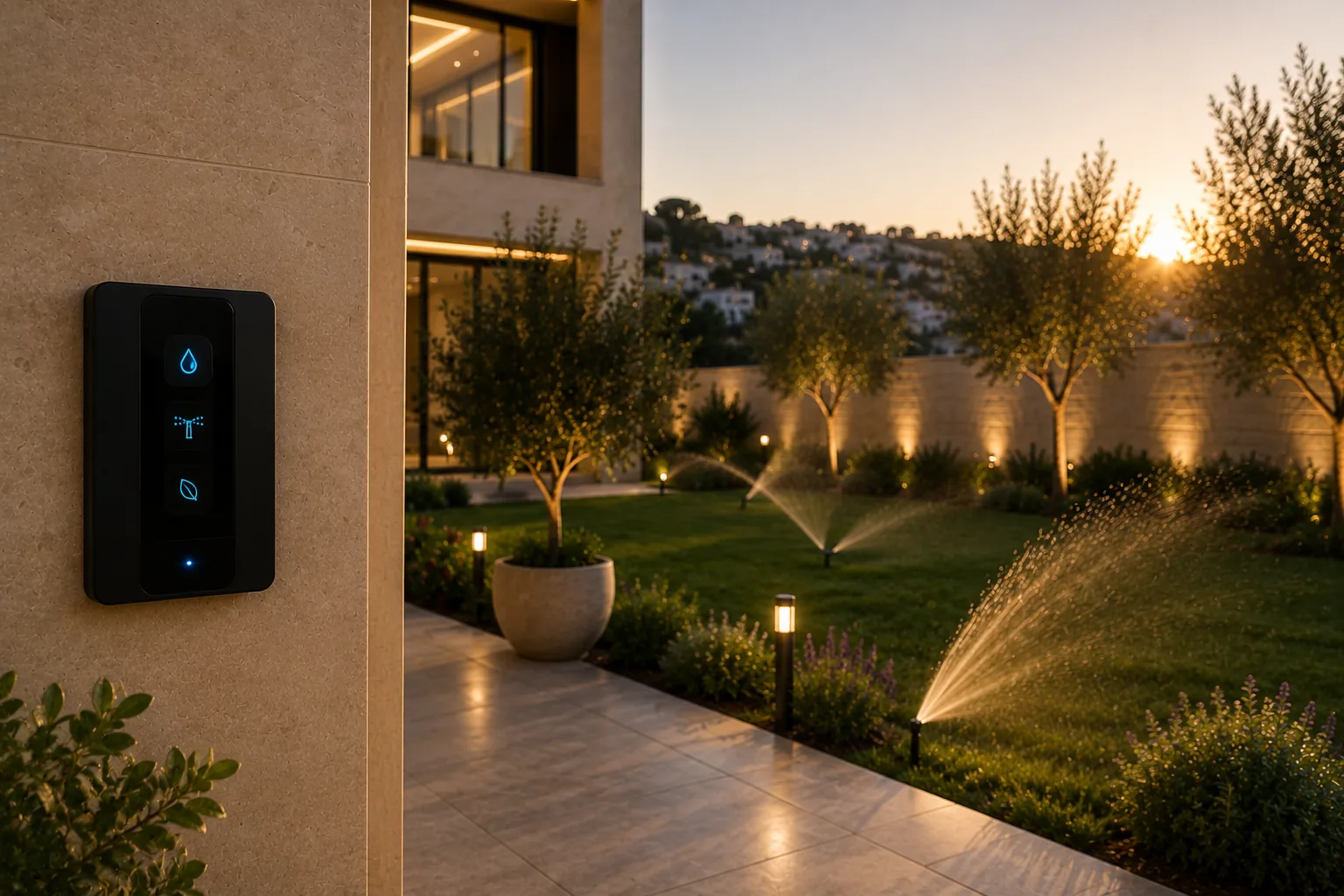
Valve arrays open irrigation lines only when deep soil sensors read below target, and close automatically once the profile is rehydrated.
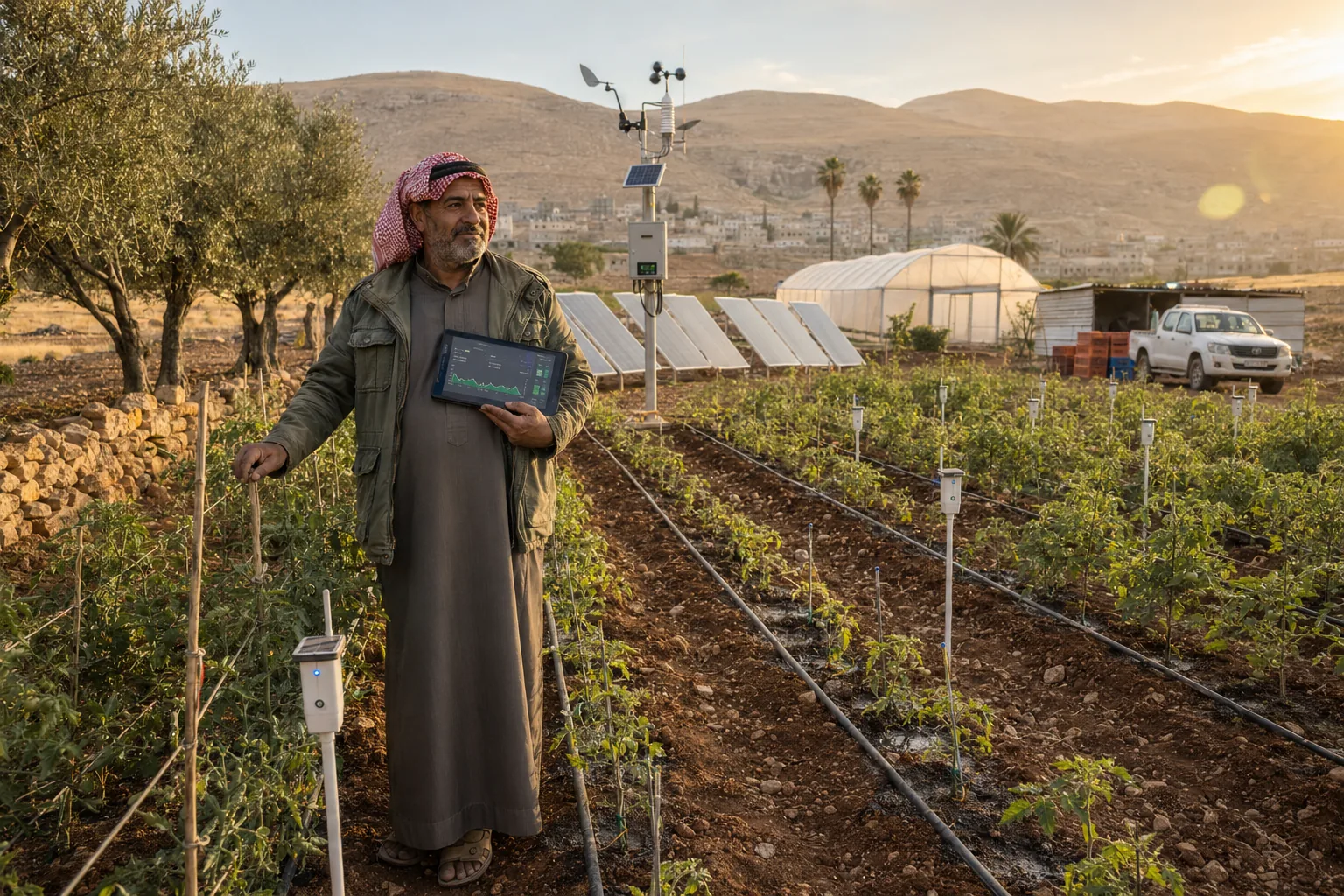
Rugged sensor arrays, automated valves and long-range wireless telemetry — so a leak, a dry field or a failing pump reaches you before it costs you the season.
The problem
Running a farm at scale means losing money to things nobody could have seen. A tank leaks overnight. Irrigation runs on a schedule set in spring while the soil is already wet. A pump starts pulling odd current on a Friday and nobody finds out until Monday. None of these are hard problems — they are problems of not being able to see.
What we do about it
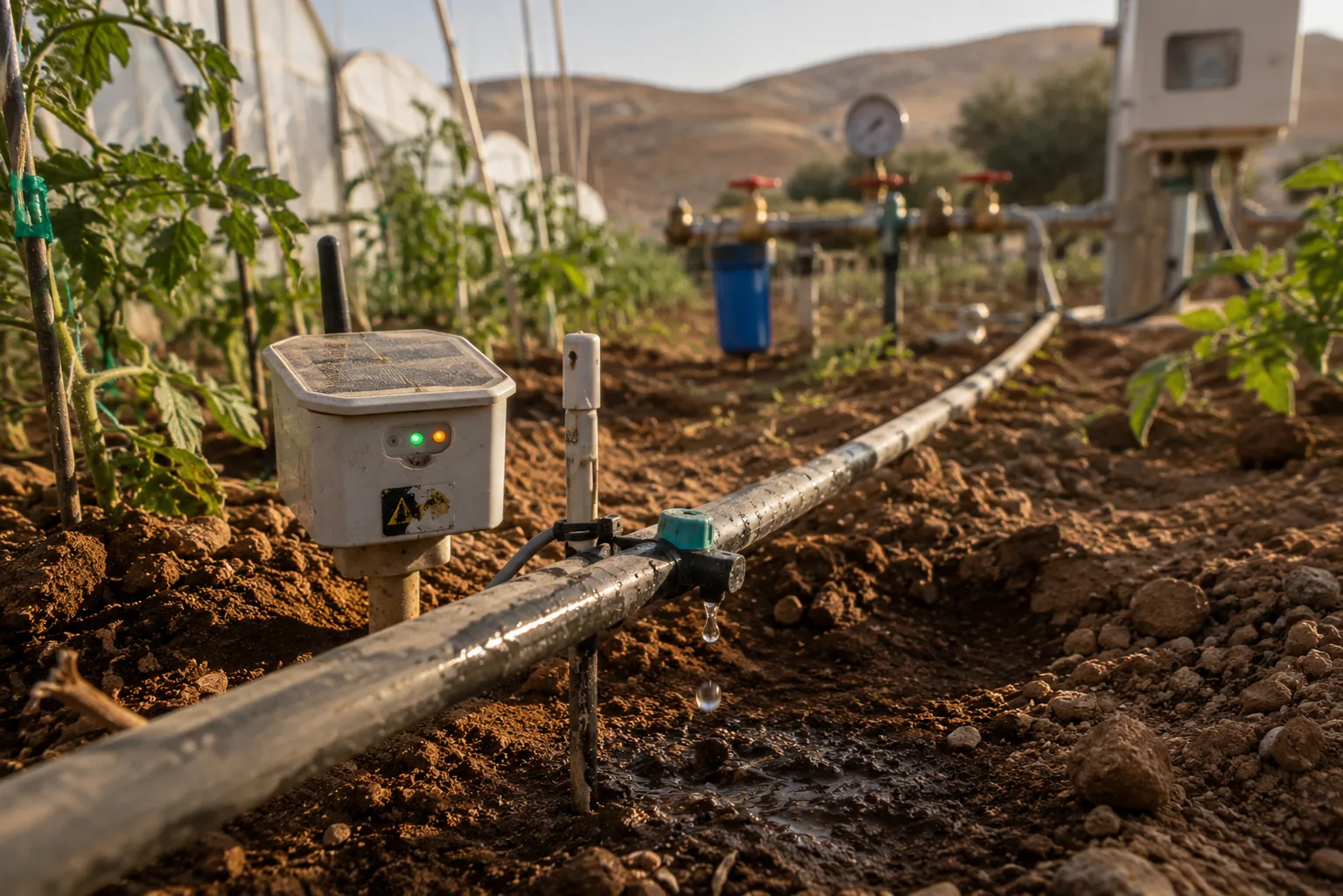
We fit rugged sensors and control loops built for the field, not for a lab. Wireless sensors, smart valves and remote monitoring work together, so irrigation follows live soil and weather data, water levels across the whole farm sit on one screen, and anything odd reaches your phone at once.
How we work
What you get
Watering matched to real soil moisture and local weather cuts the waste a fixed timer guarantees.
An odd pump current, or a tank level dropping faster than it should, raises an alarm while the kit can still be saved.
Watch and adjust the whole farm from your phone, without driving out to check a valve.
Equipment & stack


In the field
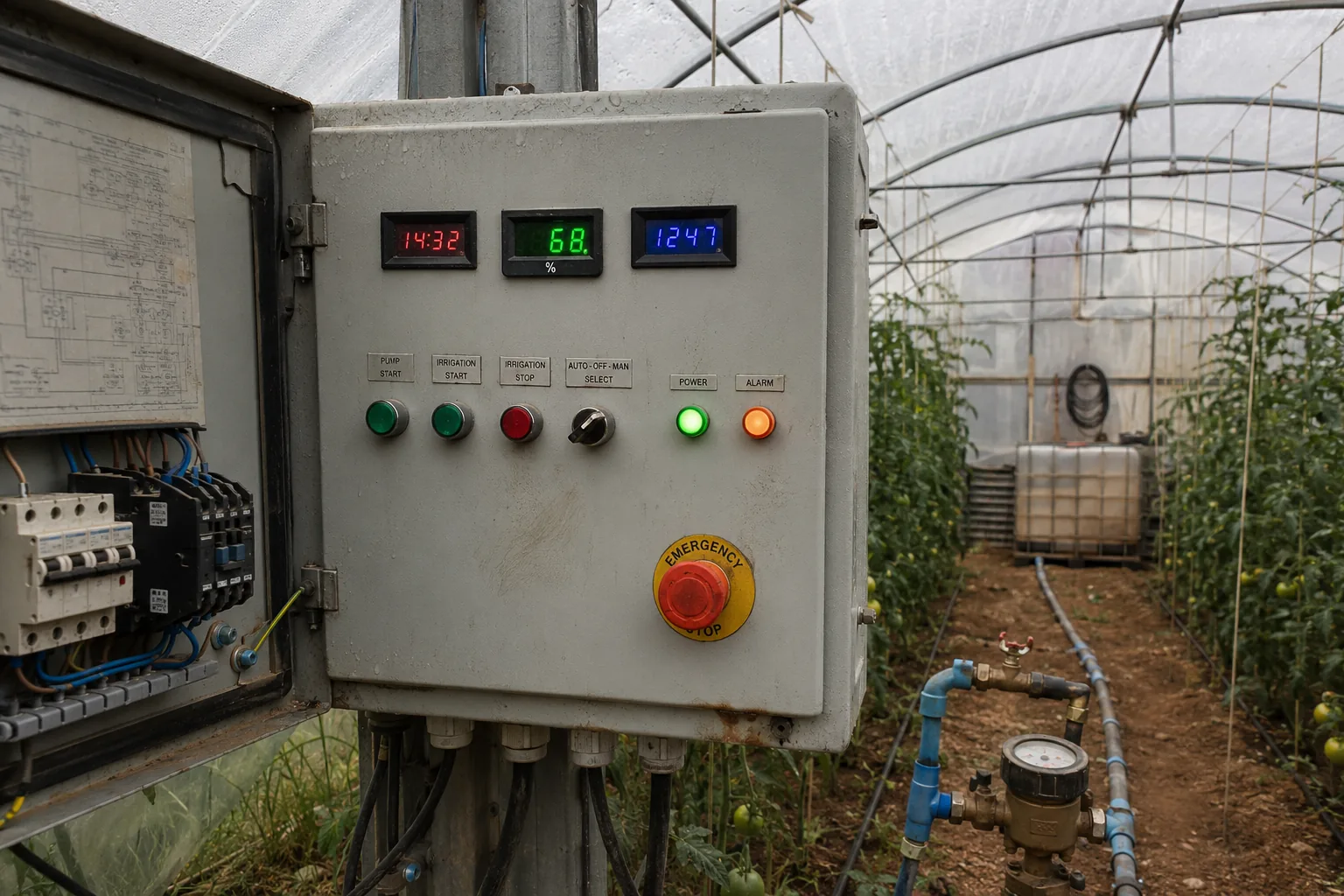
Valve arrays open irrigation lines only when deep soil sensors read below target, and close automatically once the profile is rehydrated.
Wide-area ultrasonic monitors track multiple remote tanks and send a warning the moment a level falls faster than consumption explains.
Questions we get asked
The sensors are our own custom hardware, and the decisions they drive run through the same automation engine as everything else.
Next step
Send the constraint you are actually stuck on — a floor plan, a network that keeps dropping, a process nobody wants to do by hand. An engineer reads it and replies.