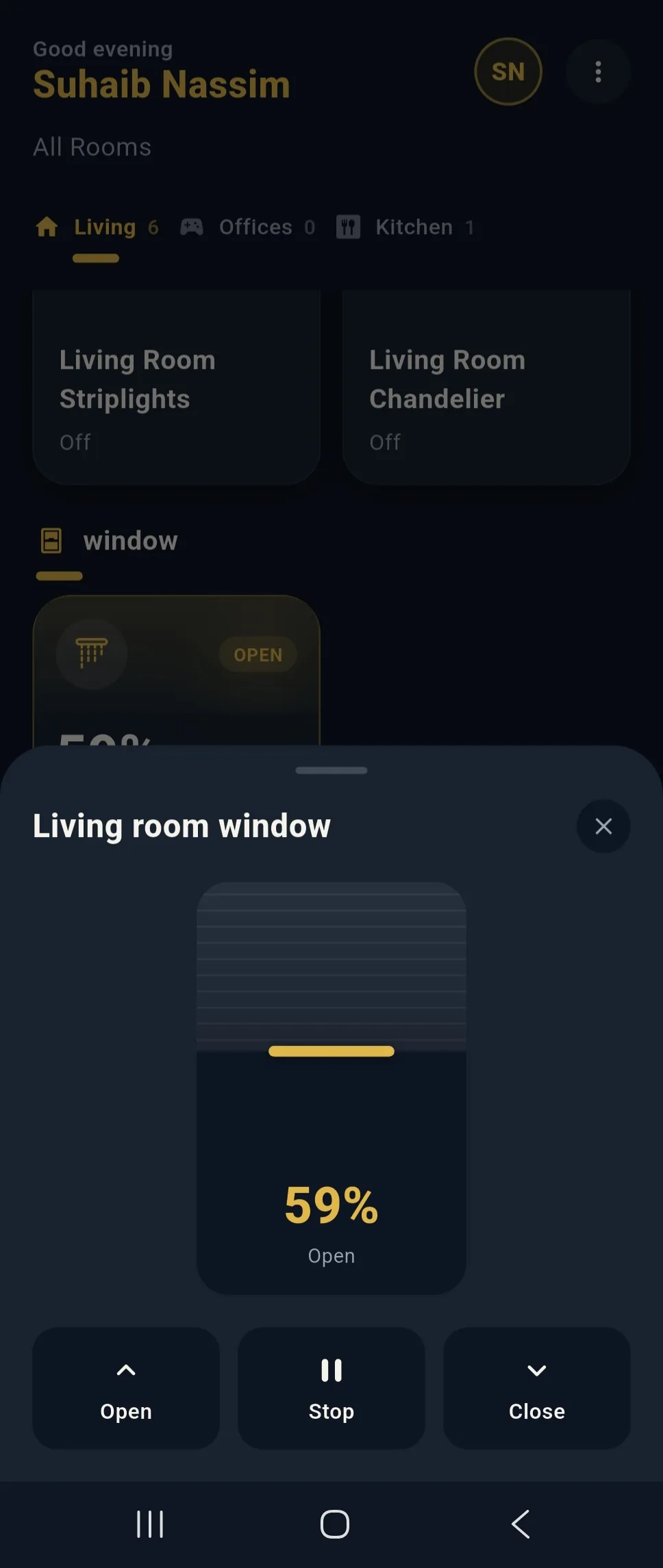
Rooms and devices
Lights, covers, climate and sensors grouped by room, with the device count on each tab. Opening a cover to 59% takes one tap and one drag.
A TechMark product
Our own smart home app. It talks to the local server in the house — rooms, climate, lighting, covers, automation rules and the household to-do list — in Arabic and English, light and dark. It is in daily use, and every screen on this page is a real screenshot.
بيت — the Arabic word for “home”.
Get it on Google Play Download on the App Store
Android and iPhone — free, and the same build our own engineers run
What it does
The hard part of a smart home app is not adding features. It is deciding what a person actually touches at 11pm on a Tuesday, and putting that one thing within reach.
Lights, covers, climate and sensors grouped by room, with the device count on each tab. Opening a cover to 59% takes one tap and one drag.
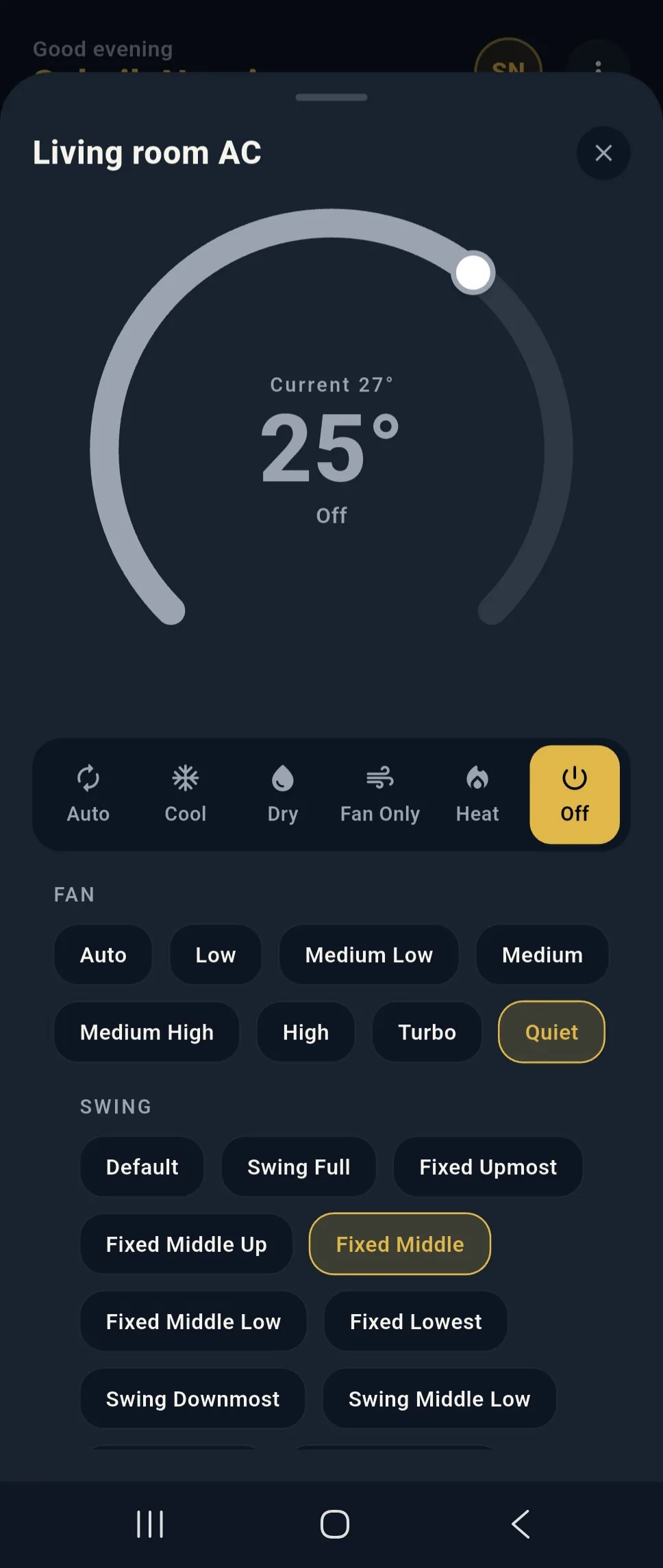
Not a simplified thermostat. Mode, fan speed and every swing position the unit actually supports — because a simplified control that cannot do the thing you need is not simpler.
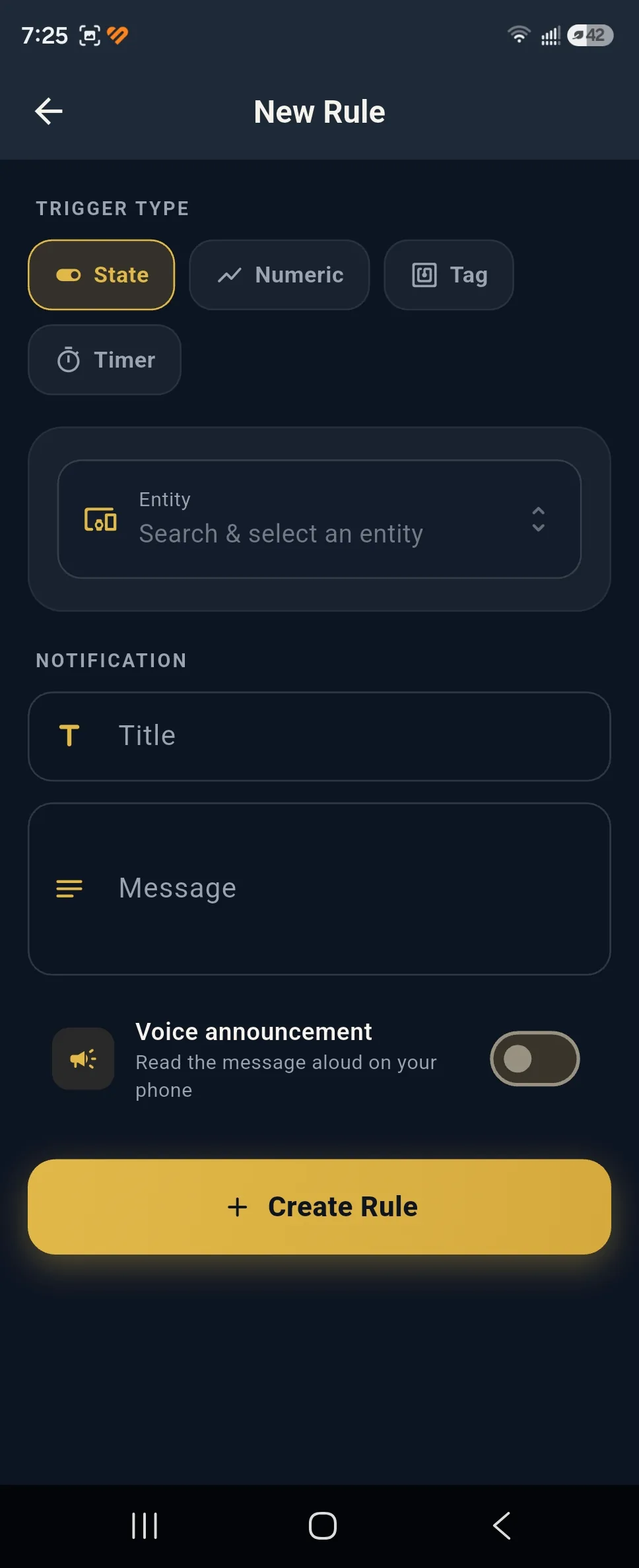
State, numeric, NFC tag and timer triggers, with a notification and an optional spoken announcement. No scripting, and no support ticket to change when the porch light comes on.
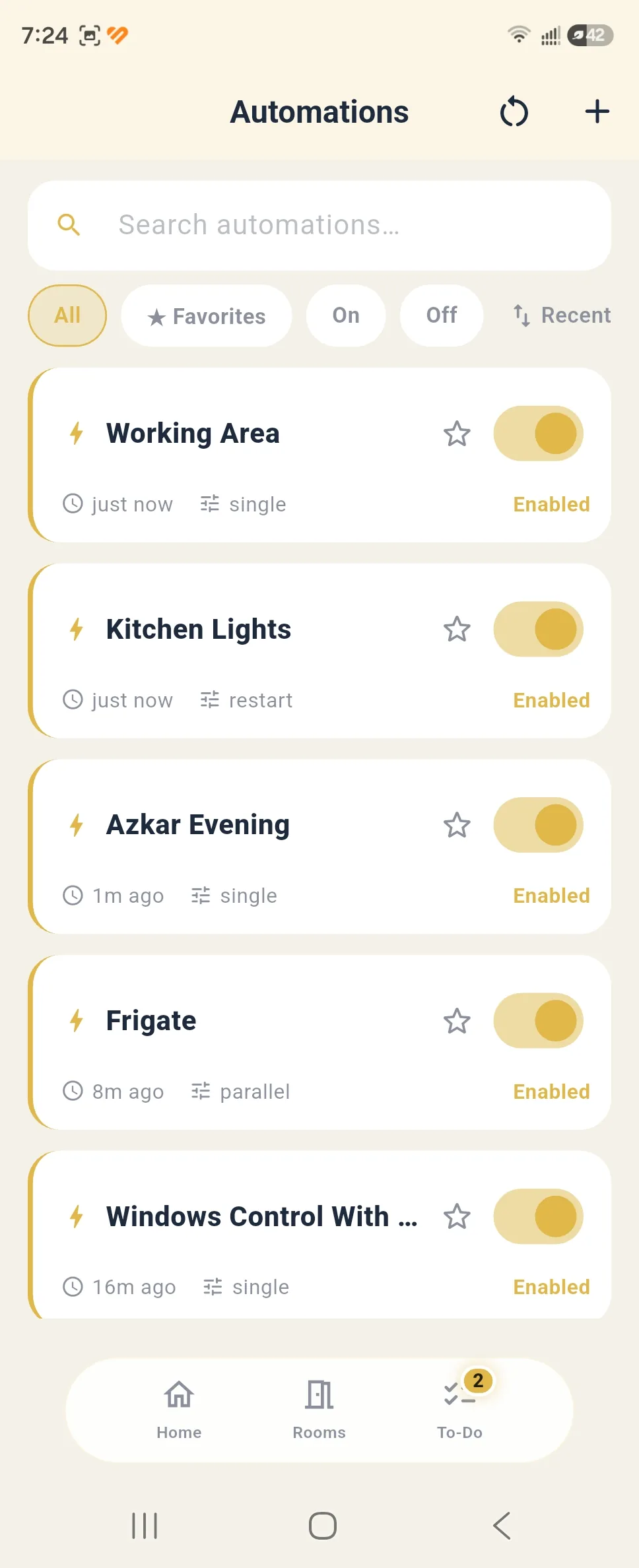
Search, favourites, on/off filters and when each rule last ran. When something in the house behaves oddly, this is the screen that tells you why.
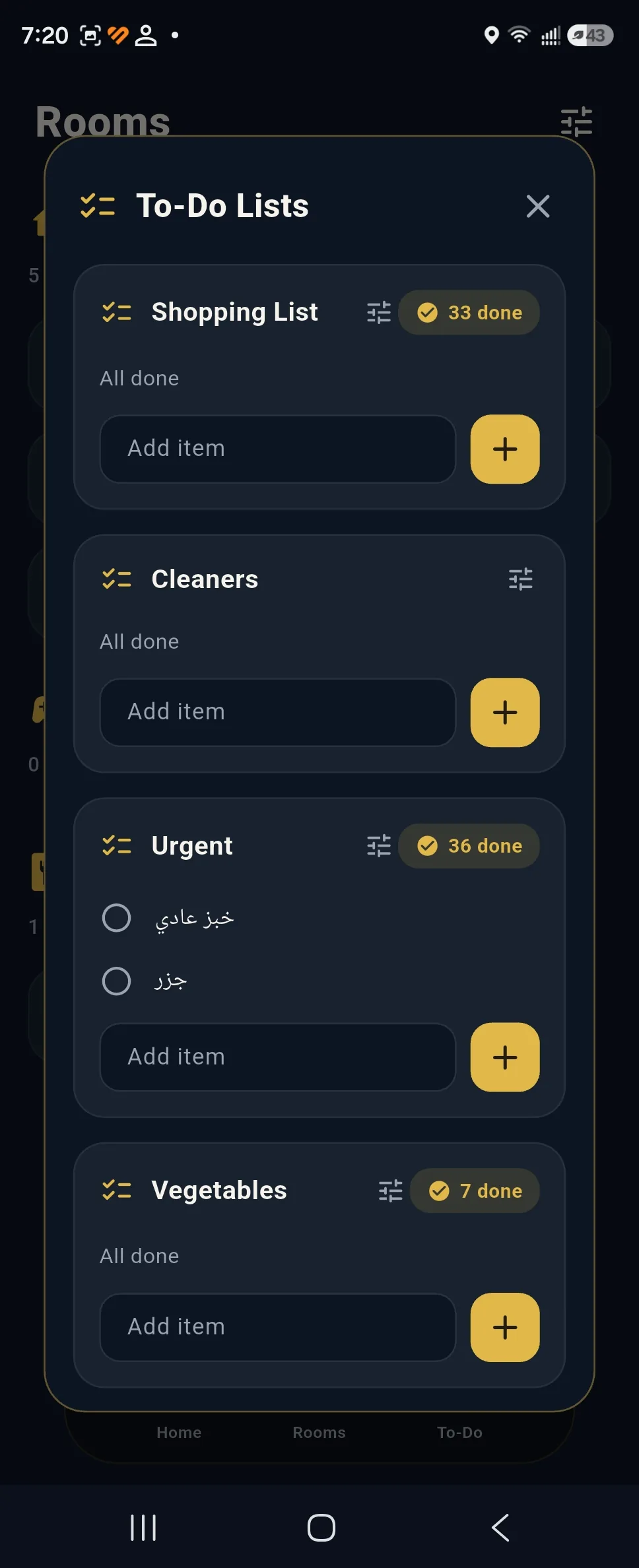
Shared to-do lists live in the same app, because the people who run a house are already in it every day. Small feature, disproportionate use.
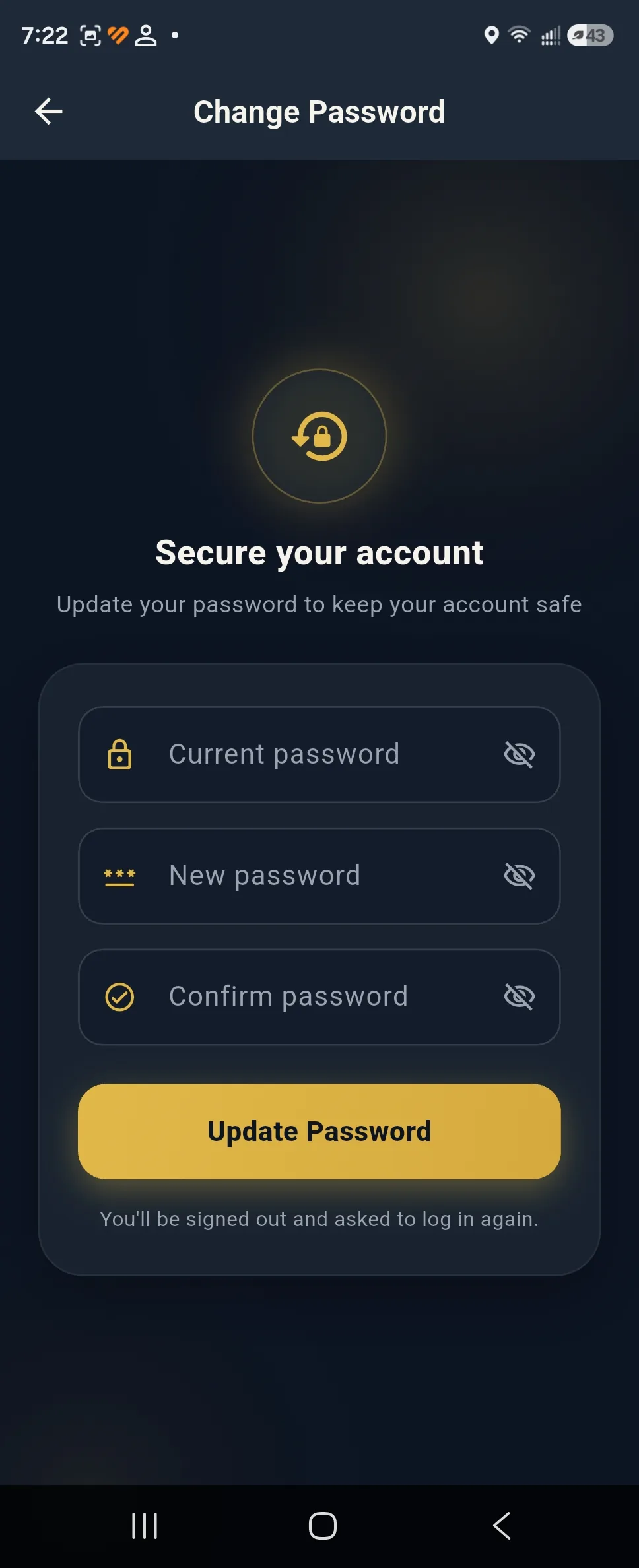
Roles, member access and password changes that sign every session out afterwards. A house has more than one person in it, and they should not all share one login.
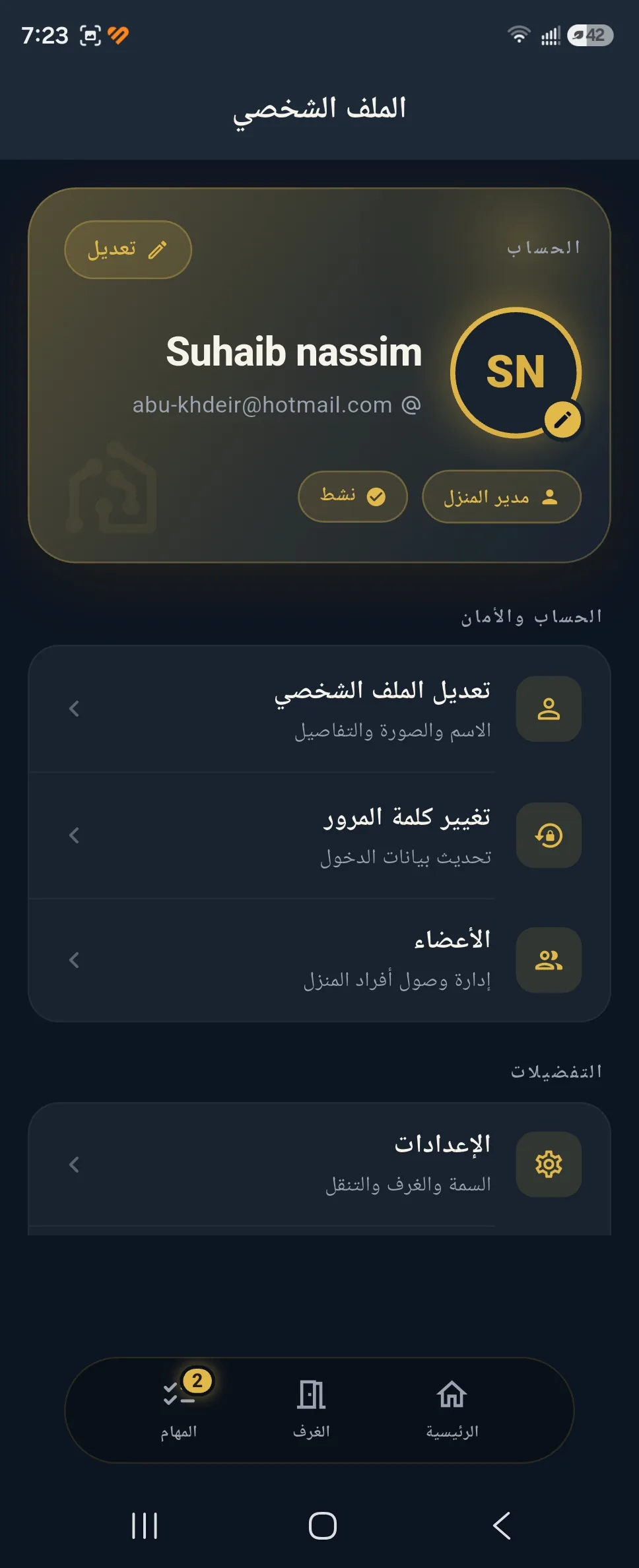
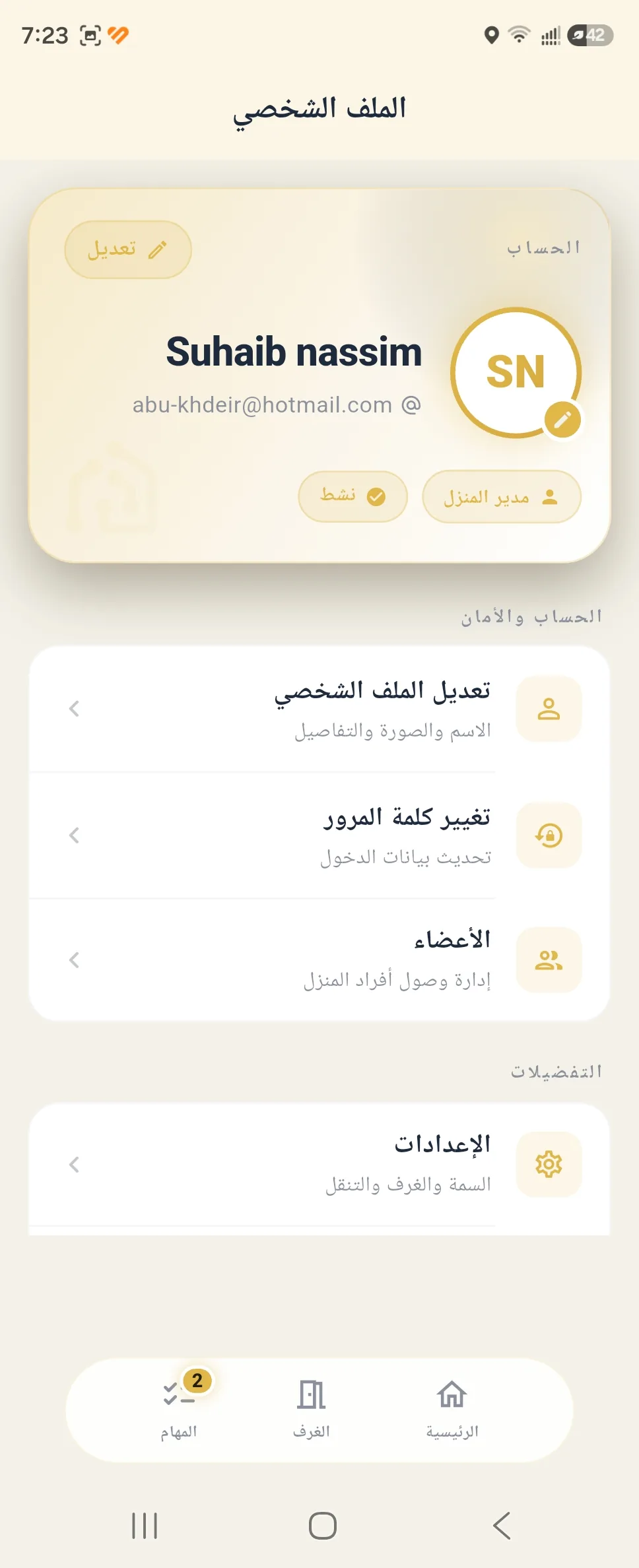
Arabic and English. Light and dark.
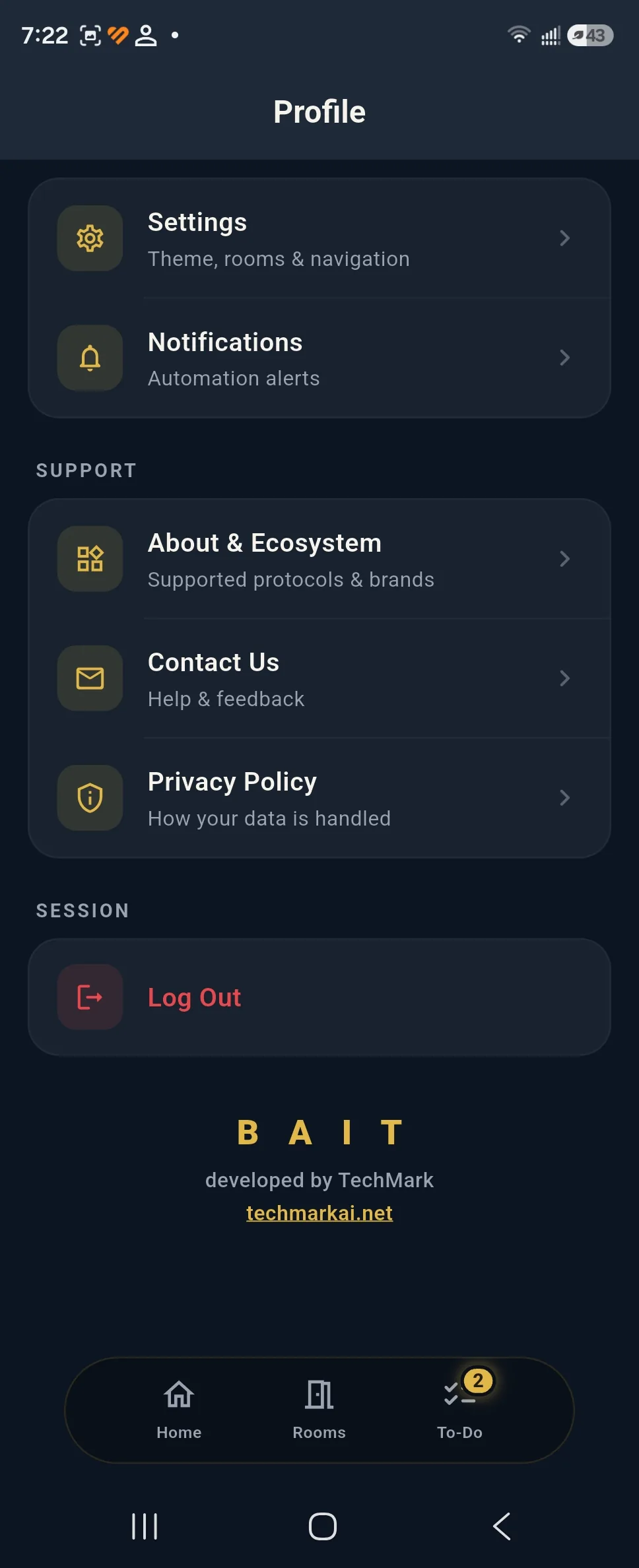
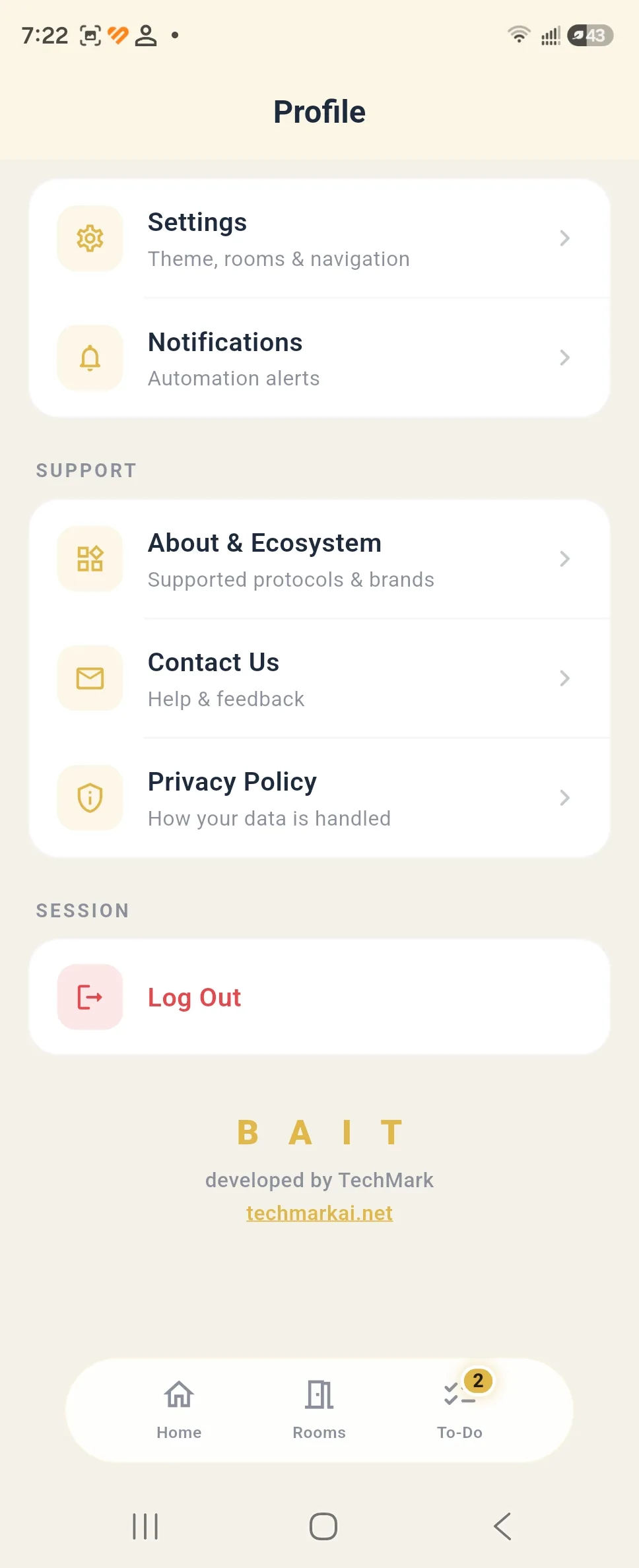
Right-to-left is not a translation layer bolted on at the end — the whole layout mirrors. This is the profile screen in all four states, untouched.
Ecosystem
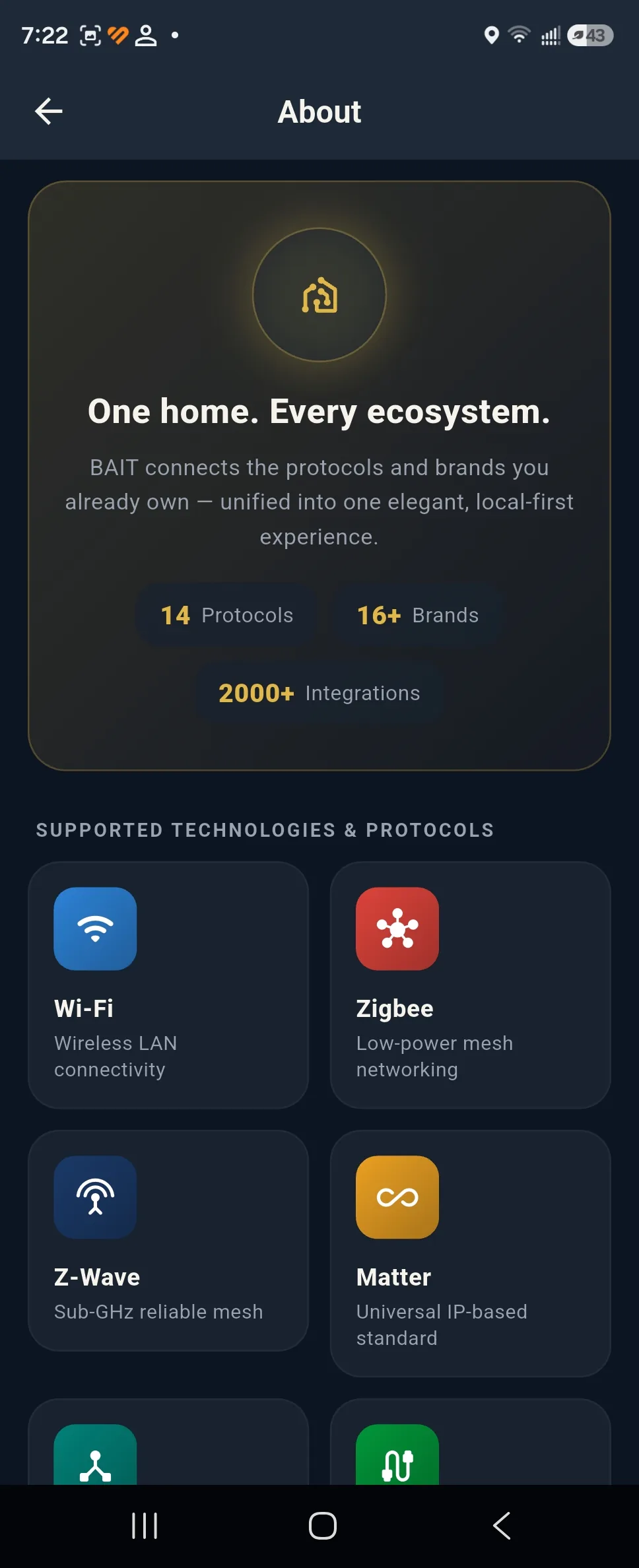
BAIT connects the protocols and brands you already own, unified into one local-first experience. You are not asked to throw away working equipment to standardise on ours.
Why we built it
We could have licensed somebody else's dashboard. Then every house we deliver would depend on a company we do not control, a cloud we cannot inspect, and a roadmap we cannot influence — and the day they change their pricing, our clients would have a problem we could not fix. BAIT talks to a server inside your house. If we disappeared tomorrow, it would keep working.
It is also the most honest answer we have to “can you actually build software?”. You are looking at it.
Next step
Send the constraint you are actually stuck on — a floor plan, a network that keeps dropping, a process nobody wants to do by hand. An engineer reads it and replies.